Pixel 11 Pro vs Pixel 10 Pro: which one should you actually buy?
Google announced the Pixel 11 Pro on August 12, 2026, with retail stock landing August 20. If you already own a Pixel 10 Pro or are choosing between the two before you buy, the timing puts you in an awkward spot: every review published so far is a two-hour hands-on, not a lived-in verdict.
Spec sheets only tell part of the story. Battery life, camera output and chip performance under real, everyday load take months to surface, not two days. Feature by feature, here's what the evidence says today, and why a refurbed Pixel 10 Pro still holds up against the newer phone.
Quick verdict: Pixel 11 Pro or the refurbished Pixel 10 Pro?
For most people, the refurbished Pixel 10 Pro remains the smarter buy. One hands-on comparison of the two phones summed it up in a single line: same battery, similar display, probably similar performance, with less RAM.
Get the Pixel 10 Pro if: you want 16GB of RAM guaranteed on every storage tier, a phone with a year of real owner data behind it, and a lower price today.
Consider the Pixel 11 Pro if: you shoot a lot of zoom, travel or night photography and want the redesigned telephoto lens.
Skip the upgrade if: you already own a Pixel 10 Pro and rarely reach for the zoom. As one buying guide put it this year: buying the previous generation can make more sense than waiting for the newest flagship.

Pixel 10 Pro vs Pixel 11 Pro: full spec comparison

Chip
Google Tensor G5
RAM
16GB on every storage tier
Rear cameras
50MP main, 48MP 5x telephoto (up to 100x zoom), 48MP ultrawide
Front camera
42MP with autofocus
Battery
4,870mAh
Wireless charging
15W Qi2 Pixelsnap
Weight
207g
Connectivity
5G, WiFi 6E, Bluetooth 6.0
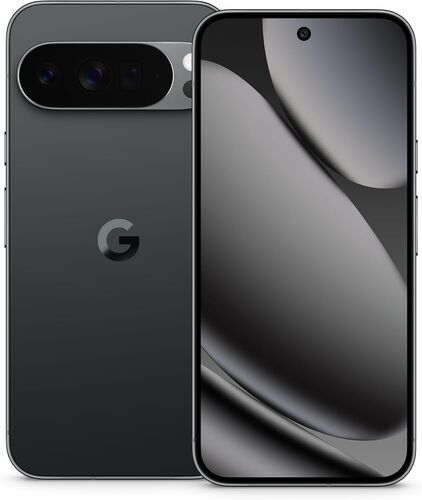
vs.
Google Pixel 11 Pro
Google Tensor G6 (2nm)
12GB at 256GB, 16GB from 512GB
50MP main (new sensor), redesigned 48MP 5x telephoto (up to 120x zoom), 48MP ultrawide
42MP with autofocus, unchanged
4,850mAh
25W Qi2.2 Pixelsnap
204g
5G with new MediaTek M90 modem, WiFi 6E, Bluetooth 6.0
Camera and zoom: is the Pixel 11 Pro's telephoto worth it?
Point the two phones at anything close to eye level and the photos look close to identical. The main 50MP sensor and the 48MP ultrawide carry over from the Pixel 10 Pro without a single spec change.
The telephoto is where the money went. One reviewer measured the new 48MP 5x sensor at roughly 71% larger than before, and it shows: portraits at range hold detail the old sensor couldn't, digital zoom stretches to 120x through AI reconstruction (up from 100x), and Instant Night Sight claims up to 4.5 times faster low-light shots.
That's a real, specific upgrade, not a marketing footnote. It just belongs to a narrow group of buyers: anyone who shoots a lot of travel, wildlife or concert photography from a distance. For everyday snapshots, dinner plates and kids at the park, the Pixel 10 Pro's camera keeps up.
Tensor G6 vs Tensor G5: how much faster is the Pixel 11 Pro, really?
Google claims the Tensor G6 delivers 25% faster browsing, 15% faster app launches and 50% more TPU compute over the Tensor G5, built on a 2nm manufacturing process that makes it the first shipping smartphone chip on that node.
Independent Geekbench 7 testing on the Pro XL tells a more mixed story: 7% faster single-core performance, but 12% slower multi-core scores, because the new chip has fewer CPU cores. One reviewer's verdict after running the numbers: not impressed with the performance of the Tensor G6.
RAM is the bigger practical concern. The Pixel 10 Pro ships with 16GB on every configuration. The Pixel 11 Pro starts at 12GB on its base 256GB tier and only reaches 16GB once you pay for 512GB or 1TB storage. Multiple early reviews flag this as a real limit on future on-device AI features, not just a smaller number on a spec sheet.
Battery and charging: what actually changed
Battery capacity barely moves. The Pixel 10 Pro packs 4,870mAh; the Pixel 11 Pro trims that slightly to 4,850mAh, yet Google's own endurance claim jumps from roughly 24 hours to roughly 30 hours. No independent lab has tested that claim yet: the phones launched two days before this comparison was written. One early hands-on take on the smaller battery number was blunt: we're not sure, but this is what it is.
Wired charging stays close to identical on both phones, around 30W, topping up roughly 55% in half an hour. Wireless is the one upgrade you can bank on: Pixelsnap magnetic charging jumps from 15W Qi2 on the Pixel 10 Pro to 25W Qi2.2 on the Pixel 11 Pro.
Early owner reports on real-world battery life are mixed, and that's worth remembering before trusting any brand-new endurance claim. A new MediaTek modem replaces the previous generation's chip and is expected to run cooler and hunt for signal less aggressively, which could end up mattering more for daily battery life than the capacity number on the spec sheet.
Same Android 17, different launch year: what changes in software?
Here's the one fact that changes the whole calculation: the Pixel 10 Pro already runs Android 17. Buying a Pixel 11 Pro does not unlock a newer operating system. Bubbles that turn apps into floating windows, Screen Reactions, tighter lost-device locking and Advanced Protection are already sitting on both phones.
Gemini Intelligence and Magic Cue also rolled out to the Pixel 10 generation months ago, so neither should count as a reason to buy the newer phone on its own. The features new to the Pixel 11 line at launch: Magic Capture, which studies around 400 video frames and hands you the best 12MP shots, customizable Camera Looks, a Creator Suite with a built-in teleprompter, and Circle to Search directly in the camera viewfinder. On the Pro model specifically: Instant Night Sight, Pro Stable Video, 120x Pro Zoom and the new HiLight indicator light.
Google has not promised any of these features will stay hardware-exclusive. As one analysis put it, the two phone generations live in the same Android house; the Pixel 11 just gets a few new camera rooms first, and some may open up to the Pixel 10 Pro later. Software support runs seven years from each phone's own launch year, so the Pixel 11 Pro reaches 2033 against 2032 for the Pixel 10 Pro: about a year of extra runway, not a generational leap.
Design and price: what you're really paying more for
The Pixel 11 Pro's camera bump sits flush enough under a case that one hands-on reviewer called the smaller protrusion just wonderful. Google also swapped the temperature sensor for HiLight, a colored light around the camera housing that flashes for Gemini activity and select callers. Call it a fair trade: a niche tool for a cosmetic one. Weight drops slightly too, from 207g to 204g.
The matte Obsidian finish earned its own compliment on launch day: one review joked that Google cooked with the matte Pixel 11 Pro. Style aside, the number that matters is the price: $999 climbs to $1,099 for the base 256GB tier, a $100 increase that lands the larger Pro XL at the same price as Samsung's Galaxy S26 Ultra.
Part of that increase reflects an industry-wide shift. Memory and storage costs have risen across phones, game consoles and PCs alike this year, driven by AI-linked demand for the same components. That context doesn't make the extra $100 disappear. It does mean the Pixel 11 Pro isn't being singled out: you're paying more for a lighter body, a cosmetic light and a better telephoto lens, in a year when almost everything got more expensive.
The real saving: what buying refurbished does for your wallet and the planet
A refurbished Pixel 10 Pro is the same phone Google engineered, tested and boxed the first time. It just skips a second production run to get to you: no new chip fabrication, no new battery cell, no new aluminum frame milled from scratch. That difference in resource use is real, measurable and worth more than a vague green label.
It shows up in the price too. A refurbed Pixel 10 Pro costs meaningfully less than a brand new Pixel 11 Pro, and every unit comes with a minimum 12-month warranty and 30 days to send it back if it isn't the right fit. You get the phone, the savings and a lower footprint in one purchase, not a trade-off between them.

Who should buy the Pixel 10 Pro, and who should wait for the Pixel 11 Pro?
Buy the Pixel 10 Pro refurbished if you want a phone with a year of real owner feedback behind it instead of a two-day-old hands-on, you don't lean on long zoom shots, and you would rather have 16GB of RAM guaranteed than gamble on the Pixel 11 Pro's 12GB base tier.
Consider the Pixel 11 Pro if you're a dedicated travel, wildlife or night photographer who wants the redesigned telephoto and Instant Night Sight, and you don't mind being an early adopter before battery, modem and camera performance get tested over months rather than days.
Skip the upgrade if you already own a Pixel 10 Pro and don't reach for the zoom lens often. One power user's line about yearly flagship launches sums up the trap neatly: buying the same phone twice. If you're nine or ten months into owning a phone you paid real money for, you tend to start keeping score quickly, so it's worth being honest with yourself about which features you use before spending more.
Pixel 11 Pro vs Pixel 10 Pro FAQs
Is the Pixel 10 Pro still worth buying now that the Pixel 11 Pro is out?
Yes. The two phones share the same Android 17 software, nearly identical batteries, and a main camera that didn't change at all. The Pixel 10 Pro also ships with 16GB of RAM on every configuration, more than the Pixel 11 Pro's 12GB base tier.
What's the single biggest real upgrade on the Pixel 11 Pro?
The telephoto camera. Its sensor is around 71% larger, zoom stretches to 120x through AI reconstruction, and Instant Night Sight claims up to 4.5 times faster low-light shots. Everything else is a smaller, incremental change.
Does the Pixel 11 Pro run a newer version of Android than the Pixel 10 Pro?
No. Both phones run Android 17. Buying the Pixel 11 Pro does not unlock a new operating system, only a handful of camera and creator features that Google hasn't promised will stay exclusive to the newer hardware.
How much can I save buying a refurbished Pixel 10 Pro instead of a new Pixel 11 Pro?
A refurbed Pixel 10 Pro costs meaningfully less than a Pixel 11 Pro at its $1,099 launch price, and it comes with a minimum 12-month warranty plus 30 days to return it if it isn't right.

Sign up for our newsletter for the first time and save 15€!
Never miss an offer again.
Information about the use of personal data can be found in our Privacy policy.
Get the refurbed app
For iOS and Android


Confirm sign-up
Click the link in our confirmation e-mail to receive your voucher. It will be applicable to purchases from € 200.
- © Refurbed Marketplace GmbH
- Accessibility
- T&C
- Privacy Policy
- Imprint
- Legal Notices
- European Data Act
- Cookie Policy